
Comfort & Identity / Guide 17
Hospitality Interior Design Abu Dhabi: Local Character without Themed Interiors
Build local character into Abu Dhabi hospitality interiors through researched references, considered materials, credited craft and a coherent guest experience.
At a glance
Local character is stronger when it grows from researched ideas and meaningful collaborations. Choose a focused narrative, understand the origins of references and commission or source work transparently. Let materials, spatial experience and service reinforce the story without turning every surface into a motif.
A hotel can feel connected to Abu Dhabi without reproducing a catalogue of regional symbols. The task is to make thoughtful choices that belong together and can be explained honestly. Hospitality interior design in Abu Dhabi benefits from a clear narrative, careful sourcing and respect for the people and practices behind cultural references.
Choose a specific starting point
Begin with the property's location, audience and purpose. A city hotel, waterfront retreat and cultural destination may each call for a different response. Research the setting before selecting colours or decorative objects, and distinguish a genuine local reference from a general impression of regional luxury.
Write a short narrative that guides decisions. It might focus on a relationship to landscape, the rhythm of shaded spaces or a collaboration with contemporary makers. Keep it specific enough to help the team decide what belongs in the interior and what would distract from it.
Understand a reference before using it
UNESCO documents Al Sadu as a traditional weaving practice in the United Arab Emirates. Such a reference carries cultural meaning beyond its visual pattern. If a project draws on it, research the craft and work with knowledgeable practitioners rather than treating a downloaded motif as sufficient interpretation.
Apply the same care to language, artwork and historical references. Confirm names, translations and attribution with appropriate contributors. Avoid describing an object as locally made or traditional unless its provenance supports that claim. Honest interpretation is more useful than an impressive but unverifiable story.
Let space carry part of the identity
Character does not need to sit only on the walls. The sequence from an active entrance to a quieter lounge, the balance of shade and light, and the relationship between shared and private settings can all support a considered narrative.
Use these ideas as design questions, not assumptions about how every guest wants to behave. Offer choices in seating and privacy. An interior can acknowledge place while remaining comfortable for an international audience, including visitors unfamiliar with the references behind its materials and forms.
Commission and display work responsibly
When commissioning makers or artists, agree scope, credit, maintenance and permissions clearly. Understand whether an item is a unique work, a production piece or a reproduction. Coordinate installation, lighting and protection with the contributor so the finished setting respects the work.
Provide concise interpretation where it adds value. A small credit or a well-informed staff explanation may be enough. Avoid filling a relaxed hospitality space with long labels or requiring guests to understand a cultural narrative before they can enjoy the room.
Keep the palette coherent and adaptable
Select a limited number of meaningful focal elements, then let quieter materials support them. Repeating a motif across carpets, screens, cushions and signage can weaken its impact. Review the whole room rather than approving each culturally inspired object in isolation.
Plan for replacement and change. If a key textile or artwork cannot be reproduced, document how it should be repaired, rotated or replaced without losing the overall intent. The operating team should know the source and significance of important pieces, especially when routine procurement might otherwise substitute a visually similar item.
Common questions
Does local character require traditional decoration?
No. Contemporary materials, spatial ideas and collaborations can create a strong connection to place. The important point is that the interpretation is researched, coherent and honestly described.
Can reference photographs demonstrate authentic Emirati craft?
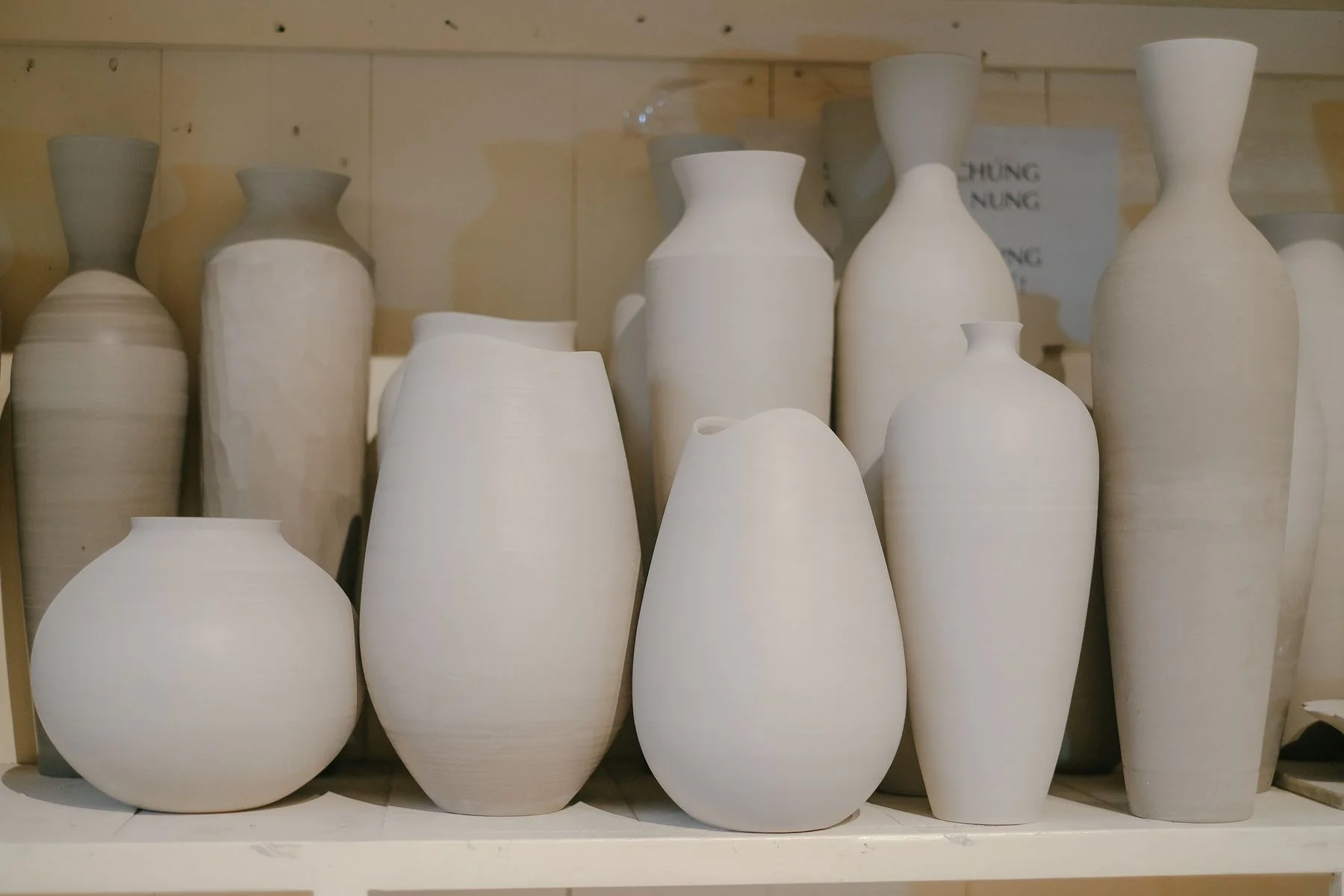
Only when the source and provenance establish that connection. A general photograph of ceramics or textiles can illustrate material ideas, but it should not be labelled as Emirati craft without evidence.