
Comfort & Identity / Guide 13
Hospitality Interior Design Abu Dhabi: Lighting from Arrival to Evening
Plan Abu Dhabi hospitality lighting for arrival, dining, work and evening comfort, with coordinated scenes, practical controls and maintenance access.
At a glance
Hospitality lighting should support tasks, movement and atmosphere across the day. Coordinate ambient, task and accent light with daylight and finishes, then define a small set of useful scenes. Test the installed system from guest and staff positions before finalising control settings.
Lighting changes how a room is understood as well as how it looks. A reception desk needs recognisable faces, a restaurant needs comfortable tables and a guestroom needs intuitive night-time use. Hospitality interior design in Abu Dhabi should connect these requirements to one coherent lighting approach while respecting the different activities in each space.
Begin with activities and sightlines
List what people need to see in each area: signs, faces, food, documents, steps and controls. Mark the main viewing positions on the plan. This helps distinguish useful illumination from decorative brightness and reveals where a striking fitting might create glare.
Review the route between spaces as well as individual rooms. Moving from a bright entrance into a much darker lobby can make orientation harder. Coordinate the sequence with daylight conditions and the lighting specialist rather than applying the same dimming level throughout the property.
Layer light without overcomplicating the ceiling
Ambient light establishes the room, task light supports an activity and accent light gives selected elements emphasis. These functions can sometimes be combined, but identifying them separately helps avoid a ceiling filled with fittings that have no clear role.
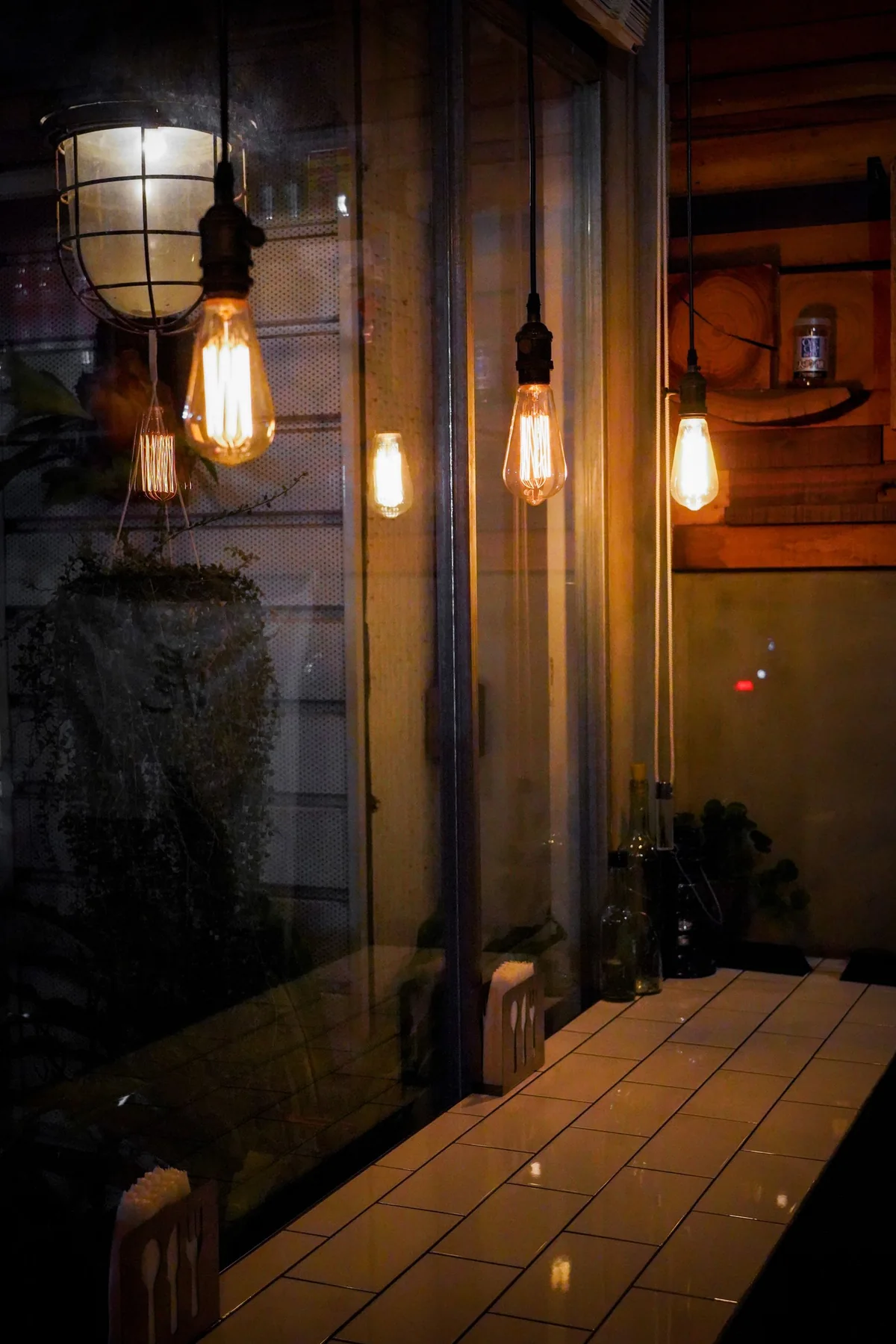
At a dining table, test the relationship between the tabletop, faces and surrounding room. In a lounge, check whether a reading seat has useful light without exposing neighbouring guests to a bright source. A decorative pendant should be evaluated for its visible effect, its light output and its maintenance needs.
Review daylight and reflective finishes
Abu Dhabi interiors can experience strong daylight and changing reflections across glazing, stone and metal. Assess the room at different times where possible, considering the position of reception screens, menus and principal seats. Interior blinds or curtains should be coordinated with the glazing and wider environmental strategy.
Approve material samples under the intended lighting, not only in a supplier showroom. Gloss, texture and colour can appear different once several finishes meet. Include mirrors in the review because they may bring a light source into a guest's view from an unexpected direction.
Create scenes that staff can use
Define scenes around real operations, such as arrival, daytime lounge use, evening dining and cleaning. Name them clearly and agree who can adjust them. A small, understandable set of settings is often easier to maintain than many subtle variations that depend on specialist knowledge.
Keep essential guest controls apparent. In a bedroom, test the arrival setting, bedside reading and the route to the bathroom at night. In event spaces, coordinate lighting with presentation and camera positions. Document the intended settings so maintenance or later replacements do not gradually change the scheme.
Commission the room after installation
Lighting design is not complete when fittings are installed. Review aiming, dimming, reflections and controls with furniture and finishes in place. Invite the operating team to perform actual tasks, including cleaning and setting tables. Resolve flicker, uneven dimming or inaccessible equipment with the relevant specialists before handover.
- Check faces, signs and work surfaces from their normal viewing positions.
- Try every scene with the room furnished and curtains in place.
- Confirm access to drivers, lamps and control components.
- Record product information and replacement settings for maintenance.
Common questions
Does a luxury hotel need low lighting everywhere?
No. Lighting should suit the activity and the guest journey. Comfortable atmosphere can coexist with clear signs, readable menus, well-lit faces and practical task areas.
Should decorative lights be selected first?
They can establish a design direction, but the complete lighting strategy must still support tasks, controls and maintenance. Confirm their role before allowing them to determine every other lighting decision.