
Dining & Events / Guide 18
Hospitality Interior Design Abu Dhabi: Outdoor Dining and Terrace Comfort
Plan Abu Dhabi hospitality terraces around shade, seasonal use, comfortable furniture, service access and practical storage for outdoor dining.
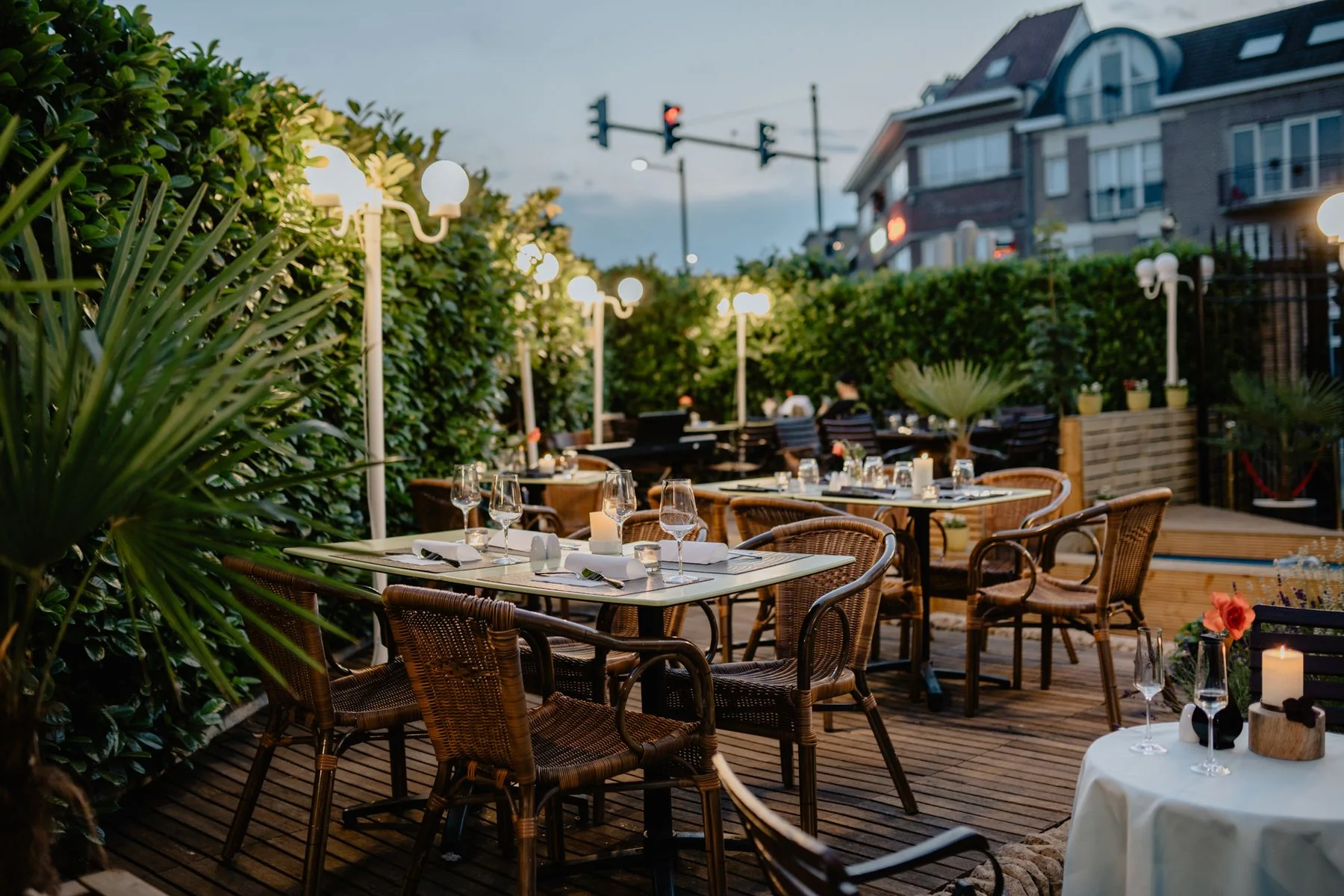
At a glance
A useful hospitality terrace starts with its intended operating conditions. Study sun, wind, views and the connection to indoor service, then coordinate shade, furniture, lighting and storage. Design for the times the terrace will genuinely be comfortable rather than assuming year-round use of every seat.
An outdoor table can offer a memorable setting, but the view alone does not determine comfort. Guests also experience direct sun, reflected heat, wind and the journey between indoor and outdoor areas. Hospitality interior design in Abu Dhabi should treat the terrace as an operational space with changing conditions, not simply an extension of the restaurant's furniture palette.
Define when and how the terrace operates
Agree the intended seasons, meal periods and event uses with the operator. A terrace used mainly in the evening needs different lighting and setup routines from one expected to serve breakfast. Identify which conditions would trigger a reduced layout or a temporary closure.
Review the site's exposure with the relevant design specialists. Orientation, neighbouring buildings and landscape can change the experience significantly. Do not assume that a general climate description can replace a study of the actual terrace and its relationship to the building.
Coordinate shade with the table layout
Check where shade falls during the intended service periods. A canopy that looks generous in plan may leave occupied tables exposed when the sun is low. Test the arrangement with chairs pulled out and consider whether guests can choose different levels of exposure.
Permanent structures, umbrellas and other shading devices need appropriate technical review for the site conditions. Coordinate supports, anchoring, drainage and maintenance with the project team. Keep bases and structural elements out of the guest route, and include a clear operating procedure for movable equipment.
Choose furniture for contact and handling
Evaluate outdoor furniture through actual use: touching armrests, moving a chair, sitting for a meal and clearing the table. Review the supplier's suitability information for the proposed environment, including sun exposure, moisture and any coastal conditions that apply.
Cushions and upholstery need a realistic storage and cleaning plan. Decide who brings them in, where they dry and how replacements are identified. A furniture selection is incomplete if its comfort depends on accessories that the team has nowhere to keep when the terrace is out of service.
Connect the terrace to indoor service
Map the route for food, drinks, used dishes and supplies. Check doors and thresholds with loaded trays or the intended service equipment. Coordinate access, drainage and level changes with the relevant specialists so the connection works for guests and staff.
Provide support close enough to the outdoor tables without creating a cluttered service edge. Consider where menus, water and cleaning items are kept. If doors are frequently opened, review the effect on the adjoining interior with the mechanical team rather than expecting furniture placement to resolve it.
Plan evening atmosphere and daily reset
Light the tables, routes and level changes while controlling glare towards guests and neighbouring spaces. Check the relationship between decorative lighting and the practical illumination needed for service. Coordinate outdoor electrical equipment and installation with qualified specialists.
Finish the design with a reset plan. Show where furniture goes during cleaning, how movable items are secured or stored, and how the terrace can operate with fewer tables. A clear reduced layout is more useful than pushing unused furniture into corners where it obstructs access or makes the venue feel unfinished.
Common questions
Can a terrace use the same furniture as the indoor restaurant?
Only if the products are suitable for the outdoor conditions and operating needs. A related visual style can be achieved with different specifications, finishes and upholstery.
Does shade alone make outdoor dining comfortable?
No. Shade is one part of the experience. Review temperature, wind, humidity, reflected heat, seating and service timing at the actual location, then define realistic operating conditions.